Driving the Arctic Coast Way in North Iceland

Alexandra
Explore North Iceland’s Arctic Coast Way with top stops, tips, and stunning sights. Plan the perfect road trip along Iceland’s most scenic coastline.

The Arctic Coast Way (Norðurstrandarleið) connects 900 kilometres of the North Icelandic coastline to six peninsulas and six islands, about a third of it on gravel.
It’s slightly shorter in winter than summer, but no matter when you intend to come, it’s the most comprehensive driving route in this jaw-droppingly beautiful region of the country and definitely something to consider if you’re trying to settle on a route for the ultimate road trip.
Don’t be tempted to rush; the more time you’re able to spend, the better the experience. Let us help you organise a car and recommend which stops to make.
If you’re also planning to explore the west of Iceland, consider driving the Snaefellsnes Peninsula for its dramatic landscapes and diverse natural wonders.
Broadly speaking, you can split the route into three sections.
- The Coast of Sagas and Mythology
- The Coast of Fishing Towns and Heritage
- The Coast of Endless Nature
Though it’s possible to drive this route in either direction, let’s take a virtual tour from west to east as we explore what you can expect.
The Vatnsnes peninsula
Begin your North Iceland road trip with a visit to the Icelandic Seal Center in Hvammstangi to learn more about these delightful marine mammals. Continue north along the Vatnsnes peninsula to Illugastaðir, where, at low tide, you might see them hauled out on the rocks. Continue along the gravel road to reach Hvítserkur, a craggy sea stack that’s variously described as a rhino or dragon.

The Ketubjörg Cliffs
The eastern side of the Skagi peninsula is wild and unspoilt. Its coast is characterised by gnarly sea cliffs, among them the 122-metre-high Ketubjörg Cliffs. These steep-sided rock faces are almost vertical. A couple of waterfalls plunge dramatically into the ocean below. Bird life is abundant, but significant cracks have formed in the rock over recent years, and venturing close to the edge is considered highly dangerous, so proceed with the utmost caution. If you’re a fan of basalt, it’s worth driving up to Kálfshamarsvík, where a remote lighthouse overlooks two-million-year-old, heavily faulted rocks.
The Skagi peninsula
This remote and unspoilt peninsula is often bypassed by travellers in a hurry, but it’s worth stopping at 1238 The Battle of Iceland. This immersive historical experience deposits you right at the heart of a fiercely fought Viking battle. Further south and closer to the Ring Road, Glaumbær Farm affords visitors a fascinating glimpse into the past.
Meanwhile, anyone with a keen interest in the past might also consider a pitstop at the Icelandic Emigration Center on the opposite side of the water in Hofsós. Its exhibits cover topics such as what life was like for Icelanders who migrated to the USA and how they adapted to farming on the Prairies of North Dakota, as well as what they’d have experienced during the sea crossing. The nearby basalt columns at Staðarbjörg are a great place to stretch your legs.
Siglufjörður and the Tröllaskagi peninsula
Siglufjörður sits at the northern tip of the Tröllaskagi peninsula. Its rich cultural heritage means it's well worth the loop drive; learning about the port’s relationship with herring amid the changing fortunes of the industry is surprisingly interesting. It’s a delightful place to spend the night, perhaps in its waterfront hotel, which had a leading role in the acclaimed Netflix drama Trapped.

Drive through the 5.7km long, single-lane Hvalfjörður Tunnel – don’t worry, there are plenty of passing places – to reach the quirky Bjórböðin beer spa in Árskógssandur, a village from where you’ll enjoy fabulous views of Hrisey Island.
Hrisey, Drangey, and Grimsey Island
Boat trips depart in season to ferry visitors from the mainland to islands such as Hrisey, Drangey, and Grimsey Island. These small offshore islands are known for their breathtaking hikes and a plethora of birds. On Hrisey, learn about shark fishing at the former home of Jörundur Jónsson.
Meanwhile, on Drangey, once the refuge of Icelandic outlaw Grettir, take a walk to see its summer puffins and other seabirds. The ferry to Grimsey Island, the only part of Iceland to be within the Arctic Circle, unlocks the possibility of outdoor activities such as hiking, biking, golfing, folf (Frisbee golf), angling, and even swimming in the ocean if you’re hardy enough.
Akureyri
Akureyri, located at the southern end of Eyjafjördur, is Iceland’s second largest settlement after Reykjavik and has all the facilities you’d expect of a large town. Chock full of charm thanks to its many historic buildings, the place lends itself to a stay of a few days, which will give you time to explore its attractions and take short trips out into the surrounding area.
In winter, you might try mushing huskies in the pretty countryside just beyond Akureyri or head out on a Northern Lights hunt. Boats depart year-round to go whale watching – Dalvik and Húsavík are alternatives if you can’t make a departure work for your schedule. Whatever the weather, the water’s always warm at the delightful Forest Lagoon, a gorgeous geothermal spa screened by birch trees on the edge of town.

Húsavik
Like Akureyri, Húsavík is located beside the water, and it too has its own geothermal spa, the wonderfully-positioned GeoSea overlooking Skjálfandi Bay. Try if you can to book a soak at sunset and watch the orange globe puddle into the water below.
The centre of Húsavík is a little gem. Don’t miss its quaint harbour, overlooked by the port’s distinctive wooden church, where oak-hulled whale-watching boats bob gently, and people sip coffee as they watch the comings and goings. This is also fittingly the home of a Eurovision museum – the popular Will Ferrell movie was filmed here. Museums devoted to whales and exploration are also worth your time.
The Diamond Circle
Both Akureyri and Húsavík are stops on the Diamond Circle driving route. If you don’t have time to do justice to the whole of the Arctic Coast Way, then you should at least allocate a day to drive this shorter scenic route. Two of the highlights are waterfalls. Goðafoss, whose name refers to the time when Iceland renounced Paganism in favour of Christianity, is located right on the Ring Road.
Meanwhile, Dettifoss, though a little more of a detour from Route 1, is one of Europe’s most powerful waterfalls and has the wow factor in spades. Also, be sure to visit the tree-filled Ásbyrgi Canyon. According to folklore, the horseshoe-shaped valley owes its form to the hoof print of Odin’s horse.
Arctic Henge
At the far north eastern reaches of the Icelandic coast on the Melrakkaslétta peninsula, you’ll find the village of Raufarhöfn. Relatively few visitors make it to this part of the country, but many of those who do come come to see Arctic Henge. Iceland’s answer to Stonehenge is many, many centuries newer but intriguing in its own way.
Erlingur Thoroddsen came up with the idea, relying on artist Haukur Halldórsson to help him realise his ambition for a giant sundial on the fringes of the Arctic. Intrinsically linked to mythology and folklore, this place has a spiritual quality that is almost tangible. Imagine witnessing the aurora borealis or the Midnight Sun at this incredible place.

Tips for driving the Arctic Coast Way
The Arctic Coast Way is the ultimate road trip for anyone considering driving in North Iceland. These practical tips and suggestions will help make your trip a roaring success:
- Outside of summer, be aware that your plans may be impacted by inclement weather. Plan some flexibility into your schedule so that you can complete the must-sees on your itinerary.
- Make sure you aren’t caught out by keeping a close eye on road conditions and the weather forecast. Websites such as safe.is and road.is are useful portals that help ensure you’ll stay safe.
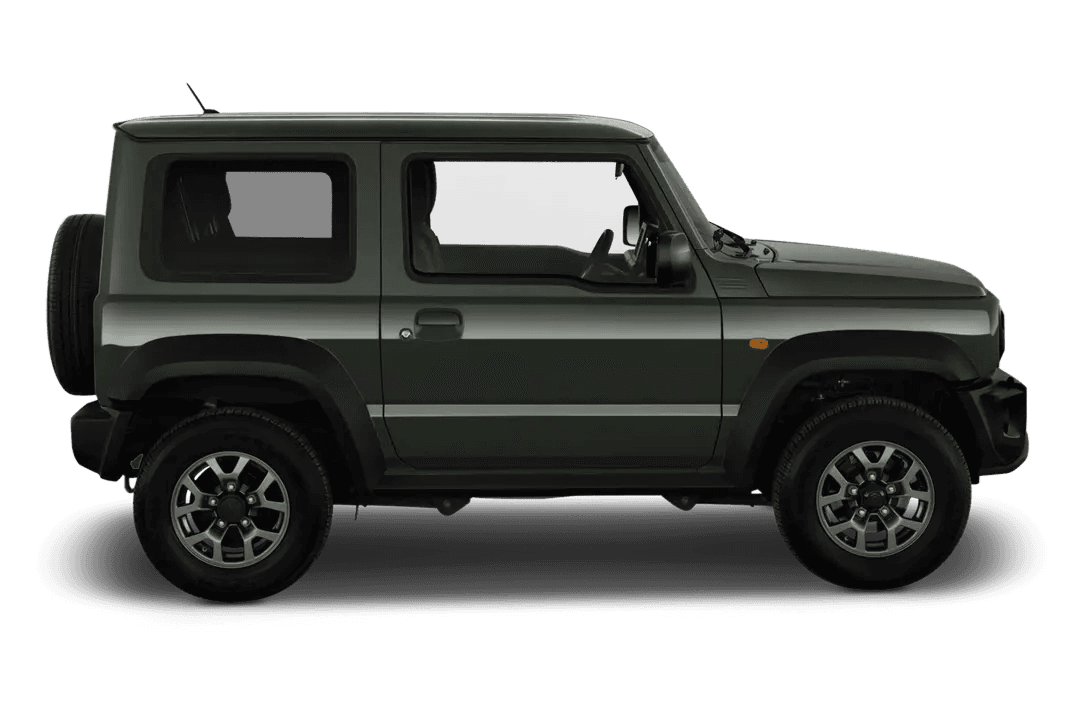
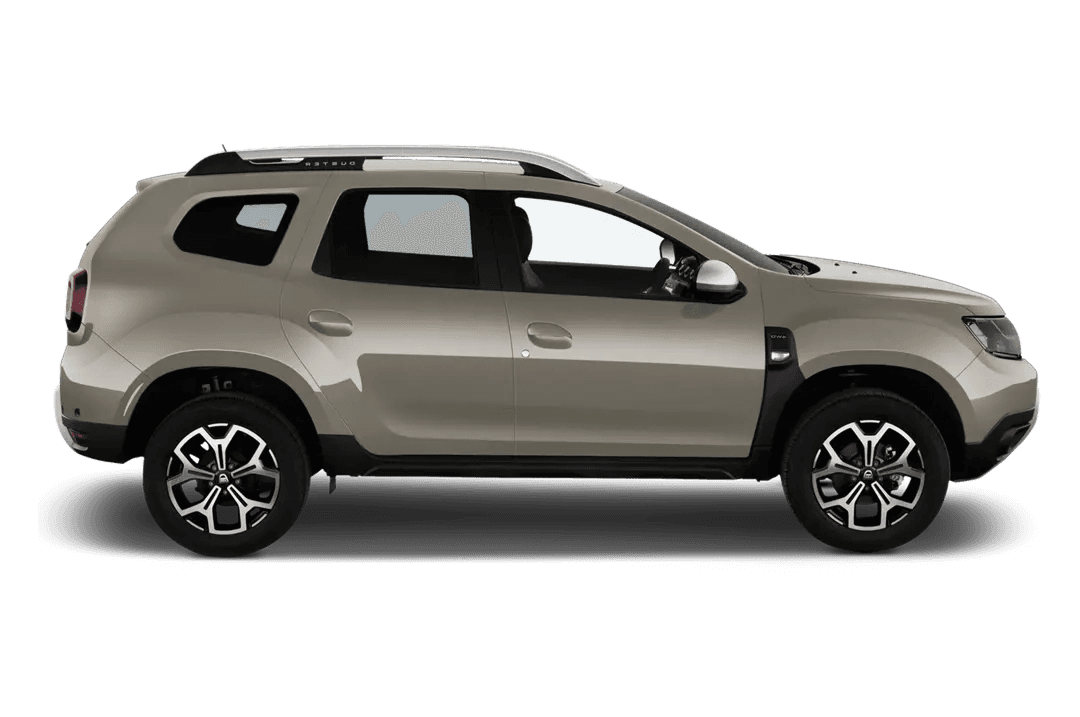
- In winter, especially, you’ll benefit from the extra traction afforded by a 4x4 rental. It can also be helpful on gravel, where, as a routine, you should always allow more stopping distance between you and the vehicle in front, as the wheels will have less grip than on tarmac.
- Keep the amount of fuel in your tank or the battery level of your EV as high as is practical. This part of Iceland is relatively sparsely populated, and you’ll want to avoid the stress of an emergency top-up.
- Don’t rush this part of Iceland. Taking your trip at a slower pace and engaging with local guides on walking tours will enable you to learn about the area’s rich cultural heritage and long history.
- Try to incorporate some wilderness sites into your plans and embrace the tranquillity and solitude that characterise this region. Detouring through off-the-beaten-track rural areas on quiet gravel roads is a quintessential experience.
- Plan to come back. Though some of the roads in North Iceland aren’t maintained through the winter, once they reopen, you’ll want to explore what you missed. There’s a significant contrast between the seasons, but there’s no reason why you can’t make two separate trips.
With an abundance of places to sit and appreciate the Midnight Sun in summer and gaze in awe at the Northern Lights in winter, driving through North Iceland promises to be a memorable trip, whatever the time of year.
Take your time to be able to visit as many of the remote beaches and unspoilt countryside, littered with waterfalls and rewarding opportunities to spot wildlife. Call in at cultural sites, unwind in geothermal pools, and grab a coffee in characterful ports.

Catch a ferry to the only part of Iceland within the Arctic Circle or board a whale-watching boat to head out over open water in search of cetaceans. This is one area of the country that lends itself to unplanned detours and unscheduled stops, so be sure to rent a car from us for as long as you can to make the most of it.