Driving the Highlands in Iceland

Halldóra
Explore Iceland Highlands by 4x4 this summer. Discover top driving routes, breathtaking sights, and expert tips for navigating this rugged and remote region.

For the ultimate driving adventure in Iceland, have you considered a road trip through the Highland region? This largely unspoilt wilderness is pretty much off limits to regular vehicles between the beginning of September and the end of May; come at this time of year, and your only option is to book a spot on a super jeep tour.
However, if you make it here in summer, it’s one of the most rewarding – and also challenging – parts of the country to explore in a rented 4x4. Here’s where to go and what you need to know.
Must-see sights in Iceland’s Highland interior reachable by car
Driving in the Highlands is a little different as, thanks to the topography, you’ll often end up driving in and out rather than looping the region on a standard itinerary like you might, say, if you were driving the Ring Road. The roads vary hugely in their characteristics, gradient, quality, and, therefore, how tricky they are to navigate. It’s advisable to do plenty of research before you make firm plans.
Þórsmork
Þórsmörk, or in English “Valley of Thor”, is a lush valley that’s very different from the stark landscapes you’ll find across much of the Highland region. When the F-roads open in the summer, there are plenty of trees and flowers to accompany the green moss that carpets the rock.
Squeezed between three glaciers (Tindfjallajökull, Mýrdalsjökull, and Eyjafallajökull), this is one place you won’t want to miss. Reach it on the F249, but be prepared to ford several rivers, including the exceptionally daunting Krossá River, to make it to your destination.

Landmannalaugar
Landmannalaugar is typically a little easier to get to than Þórsmörk, especially if you approach on the F26 and F208 from the north. This is one of the most colourful parts of the Highland region, with streaks of red, green, blue, and yellow running through the area’s rhyolite mountains.
There are plenty of hikes to entice you out of the car for a walk and breathtaking views from almost every ridge or peak. Try Brennisteinsalda, nicknamed the “sulphur wave,” and Bláhnjúkur, the “blue peak”. Afterwards, take a dip in the People’s Pools, a geothermal bath where the water is naturally around 36 to 40°C.
Askja
The nested calderas that form Askja date back to a volcanic eruption that took place in 1875. During this devastating event, ash and tephra were ejected in large quantities. As you venture into this part of the Highlands, you’re treated to some epic scenery in the form of the Dyngjufjöll Mountains and the Ódáðahraun lava field.
There are multiple ways to reach Askja. The most challenging is the F88, as you need to drive across the Lindaá River. If you have the confidence to attempt it, the payback is a stellar view of the 10000-year-old Hrossaborg explosion crater and Herðubreið, a table mountain topped with snow.
Lakagígar
Another incredible Highland destination that’s found at the end of a dreadful road is Lakagigar. Follow first the F206 and then the F207 to arrive at a string of craters that were thrown up during another volcanic eruption, this time Laki in 1783. This catastrophic period was one of the most difficult in Iceland’s history as the impact on livestock, crops, and thus human food supply was immense. Be sure to also visit Eldgjá, an extraordinary graben that is most probably the largest volcanic canyon on Earth.

Kaldidalur (Cold Valley)
Scenic Kaldidalur crosses one of Iceland’s highest mountain passes and is a popular choice with those keen to drive in the Highlands, not least for its connection to Þingvellir National Park. Route 550 is a rough gravel road, and though no longer an F-road, it shouldn’t be underestimated – rent a 4x4 if you want to drive this historic route, passing mountains and glaciers along the way.
Aldeyjarfoss
Driving in the Highlands region of Iceland can involve long-distance journeys such as the F26 or 35, but also short jaunts to see landforms that are off the beaten track yet not too far into the interior. One example of the latter is a gorgeous waterfall called Aldeyjarfoss, a stunning cascade flanked by basalt columns whose water is often a vibrant blue.
It spans the Skjálfandafljót River, and to reach it involves taking the 844 south from the ring road at Goðafoss, one of the highlights of a north Iceland road trip, through the Bárðardalur valley. The last six kilometres are on the F26, so it’s necessary to have a 4x4 unless you want to walk this stretch.

Practical advice for driving in the Icelandic Highlands
1. Make sure you rent the right kind of vehicle
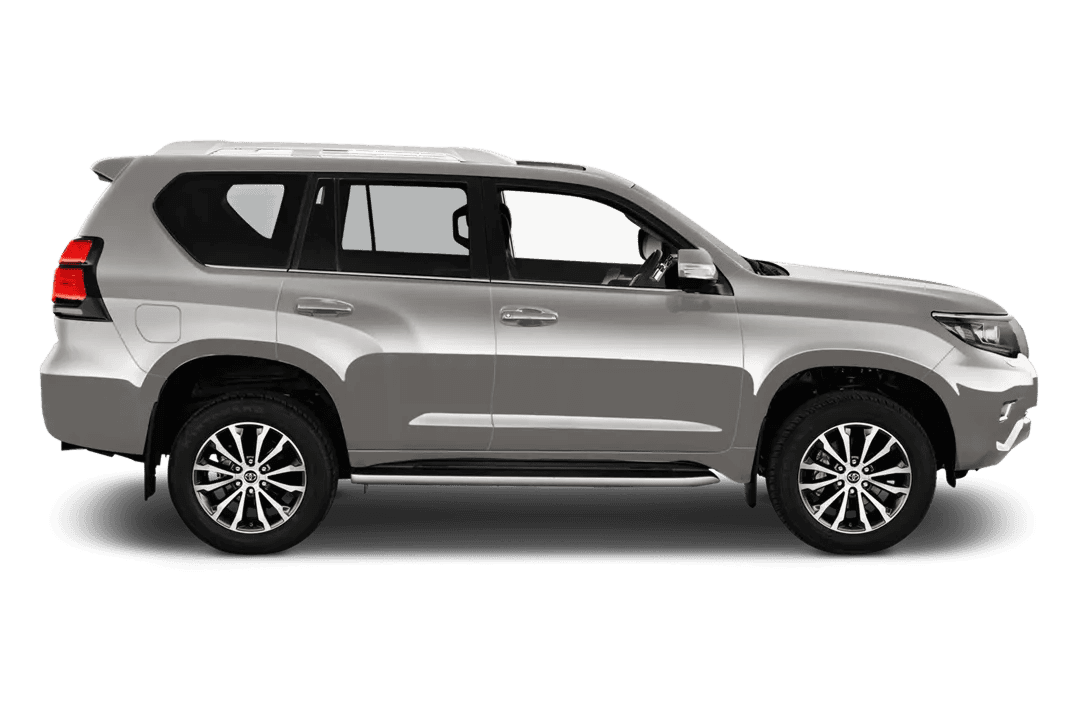
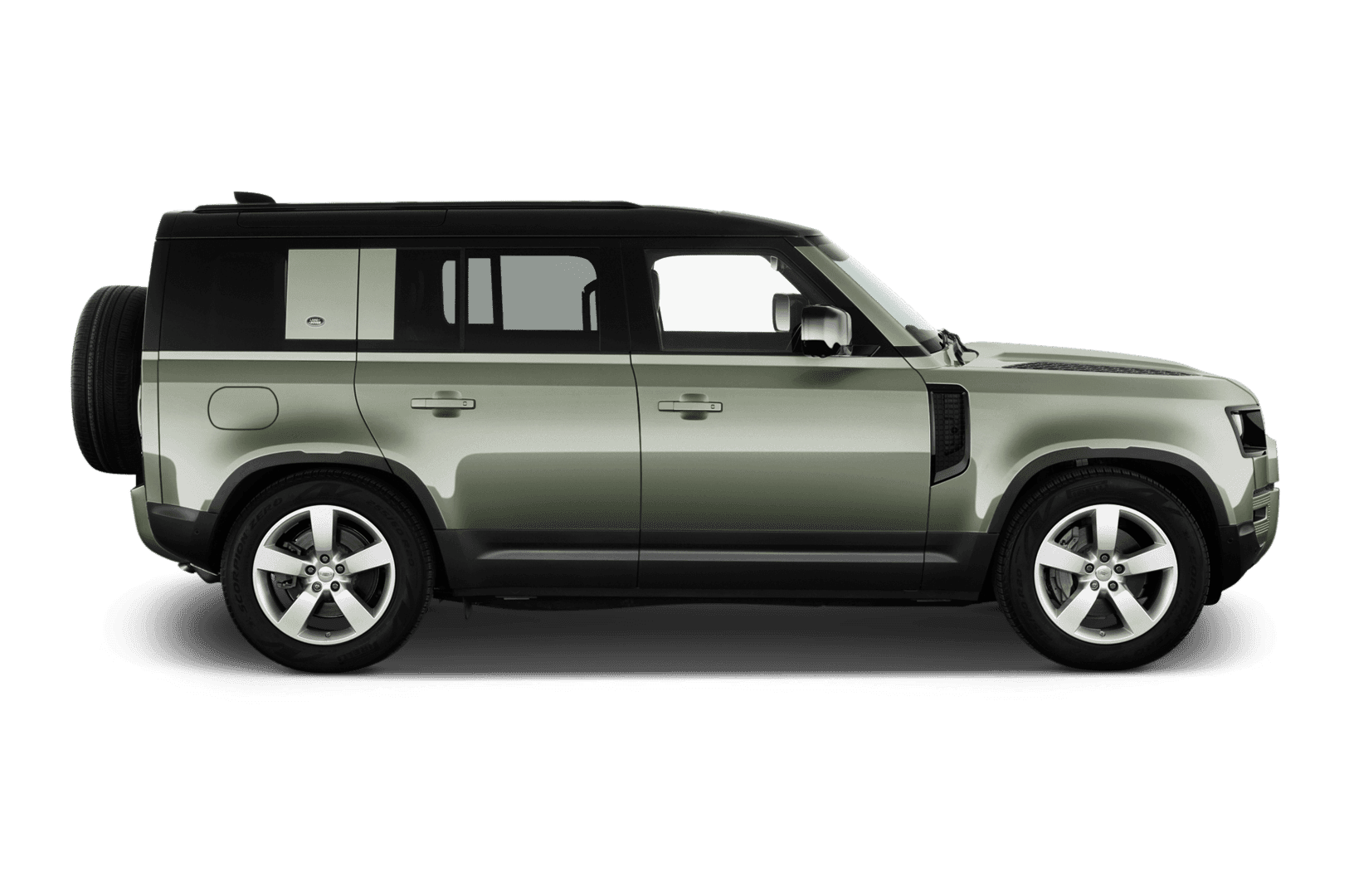
The roads that wind up through the Highlands aren’t suitable for all vehicles, even in fine weather. Deeply scarred with ruts and potholes, you’ll need a vehicle with good ground clearance to cope with the uneven road surface. All Wheel Drive (4x4) is also essential to ensure you have adequate traction on steep sections and in slippery conditions. Discuss your plans with us if you need help selecting the most appropriate vehicle for your needs.
2. Be honest about whether your driving skills are up to it
Even if you are an experienced driver, the dramatic terrain of the Icelandic Highlands makes this part of the country a daunting prospect for a self-drive itinerary. Think carefully before venturing into the interior, even in summer, and be sure your own skills are up to the challenge. There’s no shame in parking your hire car for a time while you enjoy an excursion by super jeep.
3. Tackle river crossings with extreme caution
Being honest about your driving capabilities is especially important when it comes to river crossings. These vary greatly in the depth of the channel and the speed of the current, so it pays not to become complacent. Never assume the river can be crossed safely until you’ve assessed the situation, travel in a convoy where possible, and be aware that weather conditions over the preceding days, weeks, and months can affect water levels.
4. Remain aware of road and weather conditions at all times
The weather changes rapidly in Iceland, and that’s most certainly true of the Highlands. It’s absolutely vital, therefore, to stay abreast of current conditions as they will affect the state of the roads. Keep a close eye on the weather forecast on the Icelandic Met Office’s website and check the latest updates on road conditions on the IRCA website. Be prepared to delay your journey or turn back if necessary.
We hope you’ll enjoy planning your Highland adventure and are waiting to pair you with the right vehicle so that you can explore this remote but rewarding part of the country.